News
United Kingdom: tax-free mileage rate above 10,000 miles rises to 35p from 6 April 2027
The UK Government has announced that the tax-free mileage rate above 10,000 business miles a year in a privately owned car or van rises from 25p to 35p per mile from 6 April 2027, with the 55p rate for the first 10,000 miles made permanent.
By Bikram LamaPublished 3 min read
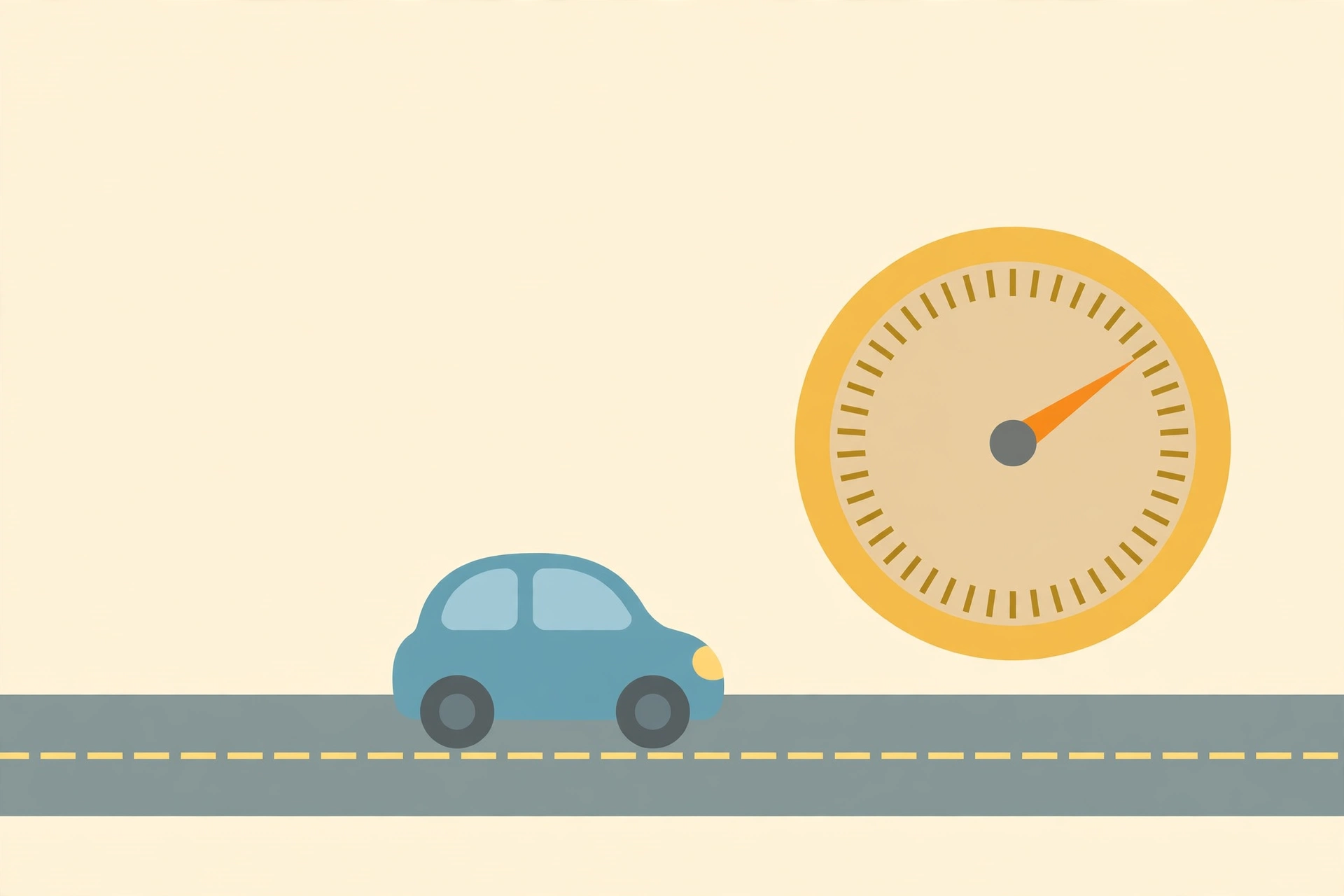
Employees and self-employed people in the United Kingdom who drive their own car or van for work will be able to receive up to 35p per mile tax free for business miles above 10,000 a year from 6 April 2027, up from 25p, and the 55p rate for the first 10,000 business miles, which had been due to end in April 2027, will instead be made permanent.
What changes
From 6 April 2027 the rates for cars and vans will be 55p per mile for the first 10,000 business miles in a tax year, then 35p per mile for every business mile after that. The Government announced the change on 26 October 2026, ahead of the Budget on 28 October, and the rates apply to business travel in a privately owned car or van. The normal commute to a usual place of work does not count as business travel.
The 55p rate was raised from 45p earlier in 2026, so making it permanent removes the April 2027 end date that had applied to it rather than raising it again. Rates for other vehicles do not change, with motorcycles staying at 24p per mile and bicycles at 20p per mile. The Government says around three million employees and self-employed people are expected to benefit, including nurses, care workers and self-employed builders who travel between jobs or clients.
Who it affects
The change affects anyone in the UK who uses their own car or van for qualifying business journeys and is paid mileage by an employer, or who claims mileage as a self-employed expense. It does not affect people who drive a company car, or who only drive to and from their usual workplace.
For a driver who covers 15,000 business miles in a year, the first 10,000 miles stay at 55p and the remaining 5,000 move from 25p to 35p. At the new rate, that last 5,000 miles is worth £500 more in tax-free reimbursement than at the old one, if the employer pays the full approved rate.
What it means in general terms
The approved rate sets the maximum an employer can pay tax free for business mileage. It is not a payment every employer must make. An employer can pay less. An employee paid below the approved rate may be able to claim tax relief on the difference, and a self-employed person using the simplified mileage method uses the same rates to work out the allowable deduction from taxable profit.
In practice, the change matters most to people who regularly pass 10,000 business miles a year, since the first 10,000 miles were already at 55p. For those drivers, each additional business mile from 6 April 2027 carries 10p more in tax-free reimbursement than it does now, provided their employer pays at the approved rate.
This piece states the position as announced on 26 October 2026. The rates take effect from 6 April 2027. The 55p rate for the first 10,000 miles, the 35p rate above 10,000 miles, and the 6 April 2027 effective date are confirmed in Budget 2026.
Sources
- Everyday fixes to make life easier for millions of Britons, GOV.UK (read 27 October 2026)
- Use your own car or van for work? You could get extra tax relief worth £100s as mileage rates rise announced, MoneySavingExpert (read 27 October 2026)
- Higher Mileage Rates: Good News for Drivers, but Who Pays the Bill?, Caithness Business Index (read 27 October 2026)
- Budget 2026, GOV.UK (read 28 October 2026)
An AI assistant helped write this article.
Keep reading
News
United Kingdom: Budget 2026 raises tax on savings and rental income from 6 April 2027
The United Kingdom Budget delivered on 28 October 2026 raises tax on savings and property income to 24%, 44% and 49% from 6 April 2027, halves Business Asset Disposal Relief to 500,000 pounds, and raises the trading allowance to 3,000 pounds.
4 min read

News
Canada: Budget 2026 moves the tax filing deadline to May 15 and adds a $15 million capital gains exemption
Canada's Budget 2026, tabled 5 November 2026, sets a single May 15 tax filing deadline from the 2027 tax year, raises instalment and foreign property reporting thresholds, and adds a $15 million capital gains exemption.
5 min read1 view
News
China: VAT is now withheld from payments to individual service providers
From 1 November 2026, organisations in China that pay individuals for seven listed services must withhold VAT and related surcharges before paying, under Announcement No. 28 of 2026.
3 min read1 view

News
Sri Lanka: a TIN certificate is required for eight transactions from 1 April 2027
Sri Lanka has deferred the mandatory TIN certificate for eight transactions, including bank accounts and credit cards, from 1 November 2026 to 1 April 2027.
3 min read1 view